
As The Impact of Virtual Reality on Traditional Corporate Travel takes center stage, this opening passage beckons readers with casual formal language style into a world crafted with good knowledge, ensuring a reading experience that is both absorbing and distinctly original.
Virtual reality is revolutionizing the landscape of traditional corporate travel, offering a glimpse into a future where business expeditions are transformed by immersive technology. From cost-saving measures to enhanced employee engagement, the integration of virtual reality in corporate travel presents a myriad of opportunities and challenges worth exploring.
Introduction to Virtual Reality in Corporate Travel
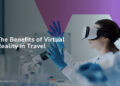
Virtual reality (VR) is a technology that simulates a realistic environment or situation through the use of computer-generated imagery. In the context of corporate travel, VR is revolutionizing the way businesses plan, experience, and analyze their travel needs.
Integration of Virtual Reality in Corporate Travel Practices
Virtual reality technology is being integrated into traditional corporate travel practices in various ways. Companies are using VR to conduct virtual site inspections of hotels, conference venues, and event spaces, allowing travel managers to make informed decisions without the need for physical visits. VR is also being used to provide immersive training experiences for employees, preparing them for real-world travel scenarios.
Benefits of Using Virtual Reality in Corporate Travel Experiences
- Cost and Time Savings: VR eliminates the need for physical travel for scouting locations or training, reducing travel expenses and saving time.
- Enhanced Decision-Making: By experiencing virtual environments firsthand, travel managers can make better-informed decisions about accommodations, venues, and travel arrangements.
- Improved Training: Employees can undergo realistic training simulations using VR, preparing them for potential challenges during business trips.
- Health and Safety: In light of recent global events, VR provides a safe alternative for conducting business travel planning and training without exposing employees to health risks.
Comparison between Virtual Reality and Traditional Corporate Travel
Virtual reality and traditional corporate travel differ significantly in terms of cost implications, environmental impact, and efficiency gains. Let's explore these differences in more detail.Cost Implications
When comparing virtual reality to traditional corporate travel, one of the most significant differences lies in the cost implications. Virtual reality eliminates the need for expensive flights, accommodations, and other related expenses associated with physical travel. While there may be initial costs to set up virtual reality technology, in the long run, companies can save a substantial amount of money by using virtual reality for corporate meetings and events.Environmental Impact
In terms of the environment, virtual reality offers a more sustainable alternative to physical travel. By reducing the need for employees to commute or fly to different locations for meetings, virtual reality helps lower carbon emissions and overall environmental impact. This shift towards virtual meetings can contribute to a greener approach to corporate travel and align with companies' sustainability goals.Efficiency Gains
Virtual reality also brings efficiency gains to corporate travel by streamlining communication and collaboration processes. With virtual meetings, employees can connect from anywhere in the world instantly, reducing the time and effort associated with organizing in-person meetings. This increased efficiency can lead to faster decision-making, improved productivity, and better use of employees' time.Challenges and Limitations of Implementing Virtual Reality in Corporate Travel
Virtual Reality (VR) technology has the potential to revolutionize corporate travel experiences, but its implementation comes with various challenges and limitations. From technological barriers to security risks, there are several factors that need to be considered before widespread adoption in the corporate travel sector.Technological Barriers to Adopting Virtual Reality in Corporate Travel
Virtual Reality requires high-quality hardware and software to deliver immersive experiences. This could be a barrier for some companies, especially smaller businesses that may not have the budget to invest in VR technologyPotential Security Risks Associated with Using Virtual Reality for Business Trips
One of the major concerns with using VR for corporate travel is the potential security risks it poses. As employees engage in virtual meetings and simulations, sensitive business information could be at risk of being intercepted by unauthorized parties. Furthermore, there is a risk of cyber-attacks targeting VR systems, compromising the integrity of corporate data and potentially leading to financial losses or reputational damage for the company.Limitations of Virtual Reality in Replicating Real-Life Corporate Travel Experiences
While VR technology can offer immersive and realistic simulations, it still falls short in replicating the real-life experiences of corporate travel. Factors such as physical sensations, interpersonal interactions, and cultural nuances are difficult to recreate in a virtual environment. This limitation could impact the effectiveness of training programs, team-building exercises, and client meetings that rely on face-to-face interactions and hands-on experiences.Employee Experience and Engagement with Virtual Reality in Corporate Travel
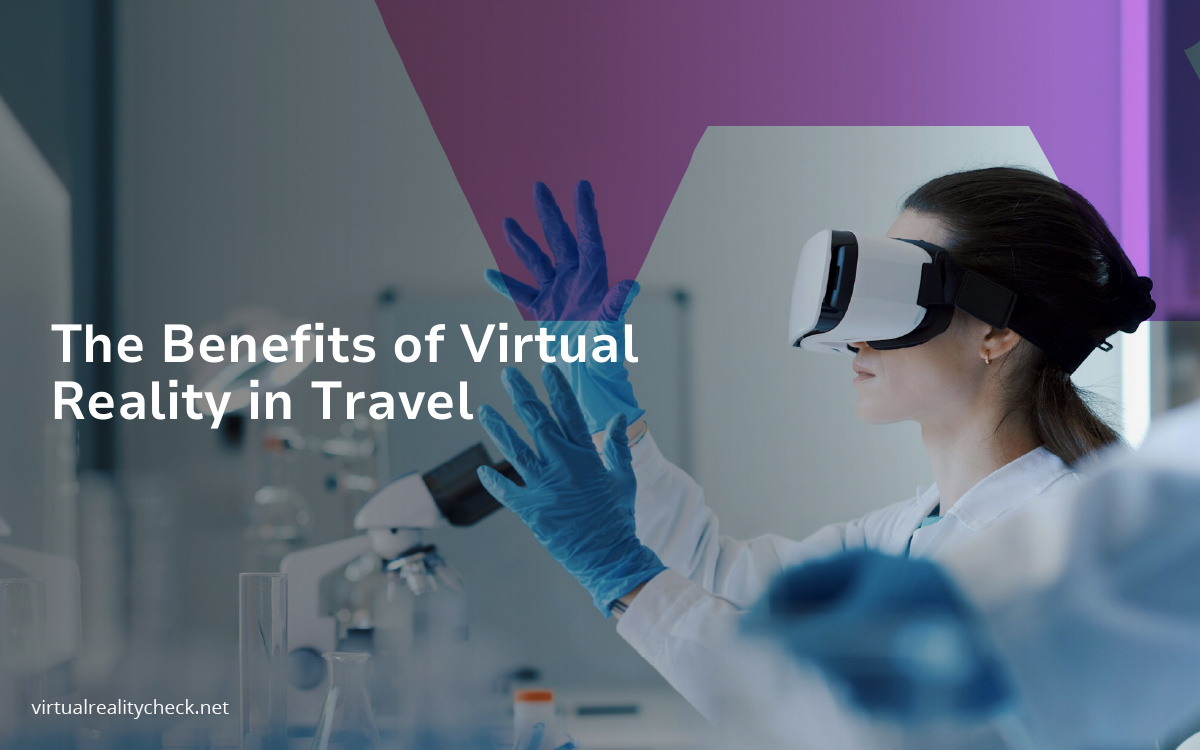 Virtual reality technology has revolutionized the way employees experience corporate travel, offering a whole new level of engagement and interaction. By immersing employees in virtual environments, companies can enhance their business trips and create unforgettable experiences for their staff.
Enhanced Employee Engagement
- Virtual reality allows employees to explore destinations, hotels, and meeting venues before their trip, helping them feel more prepared and excited about the upcoming journey.
- Through virtual reality simulations, employees can engage in interactive training sessions, team-building activities, and cultural experiences, fostering a sense of connection and collaboration among colleagues.
- Virtual reality can also be used to gamify certain aspects of corporate travel, making it more enjoyable and engaging for employees, leading to increased motivation and productivity during business trips.
Impact on Employee Satisfaction and Well-being
- By incorporating virtual reality into corporate travel, companies can enhance employee satisfaction by providing unique and personalized experiences that cater to individual preferences and interests.
- Virtual reality can reduce travel-related stress and anxiety by offering relaxation exercises, mindfulness sessions, and virtual wellness programs to promote employee well-being during trips.
- Through virtual reality, employees can feel more connected to their work and company culture, leading to higher job satisfaction and a greater sense of belonging within the organization.
Creating Unique and Memorable Experiences
- Virtual reality enables companies to create customized travel experiences, such as virtual city tours, historical reenactments, and immersive cultural activities, making corporate trips more memorable and enjoyable for employees.
- By incorporating virtual reality into corporate events and conferences, companies can offer interactive workshops, live demonstrations, and virtual networking opportunities, enhancing the overall experience for employees and attendees.
- Virtual reality can also be used to showcase company achievements, milestones, and values in a visually engaging and impactful way, leaving a lasting impression on employees and stakeholders.
Closing Summary
In conclusion, the impact of virtual reality on traditional corporate travel is poised to reshape the way businesses approach their travel needs. As organizations navigate the complexities of adopting this innovative technology, one thing is certain: the future of corporate travel is undergoing a remarkable evolution, paving the way for a more efficient, engaging, and sustainable way of conducting business expeditions.
Quick FAQs
What are the main benefits of using virtual reality in corporate travel?
Virtual reality enhances employee engagement, reduces costs, and creates unique and memorable travel experiences.
What are some challenges in implementing virtual reality in corporate travel?
Technological barriers, security risks, and limitations in replicating real-life experiences are key challenges faced in adopting virtual reality for business trips.